Do you know what’s even more expensive than buying a new home appliance? Repairing one. That is why it is essential to maintain your devices and keep them running for as long as possible. Find out more about maintaining your appliances in this comprehensive guide. In this article, we will share some of the best ways to extend the life of your devices so that they will last longer and you won’t have to worry about repairing or replacing them any time soon.
Clean the Filters on Your Air Conditioner Regularly

One of the best ways to keep your air conditioner running OK is to clean the filters regularly. Dust and dirt can build up on the filters over time, affecting the unit’s performance. Be sure to clean or replace the filters as needed to ensure that your AC is functioning at its best. Moreover, if you have pets, be sure to clean the filters more often, as they will likely contain more pet hair than other filters. You can also buy disposable air conditioner filters, making cleaning the filter much more effortless.
Vacuum the Coils on Your Refrigerator
Another way to keep your refrigerator running OK is to vacuum the coils regularly. It can help remove any dust or dirt that may have built up over time. You should do this at least once a year, but you may need to do it more often if you have pets or a lot of dust in your home. The fridge is one of the essential appliances in your home, so it’s necessary to keep it running well.
Wipe Down the Exterior of Your Appliances With a Damp Cloth
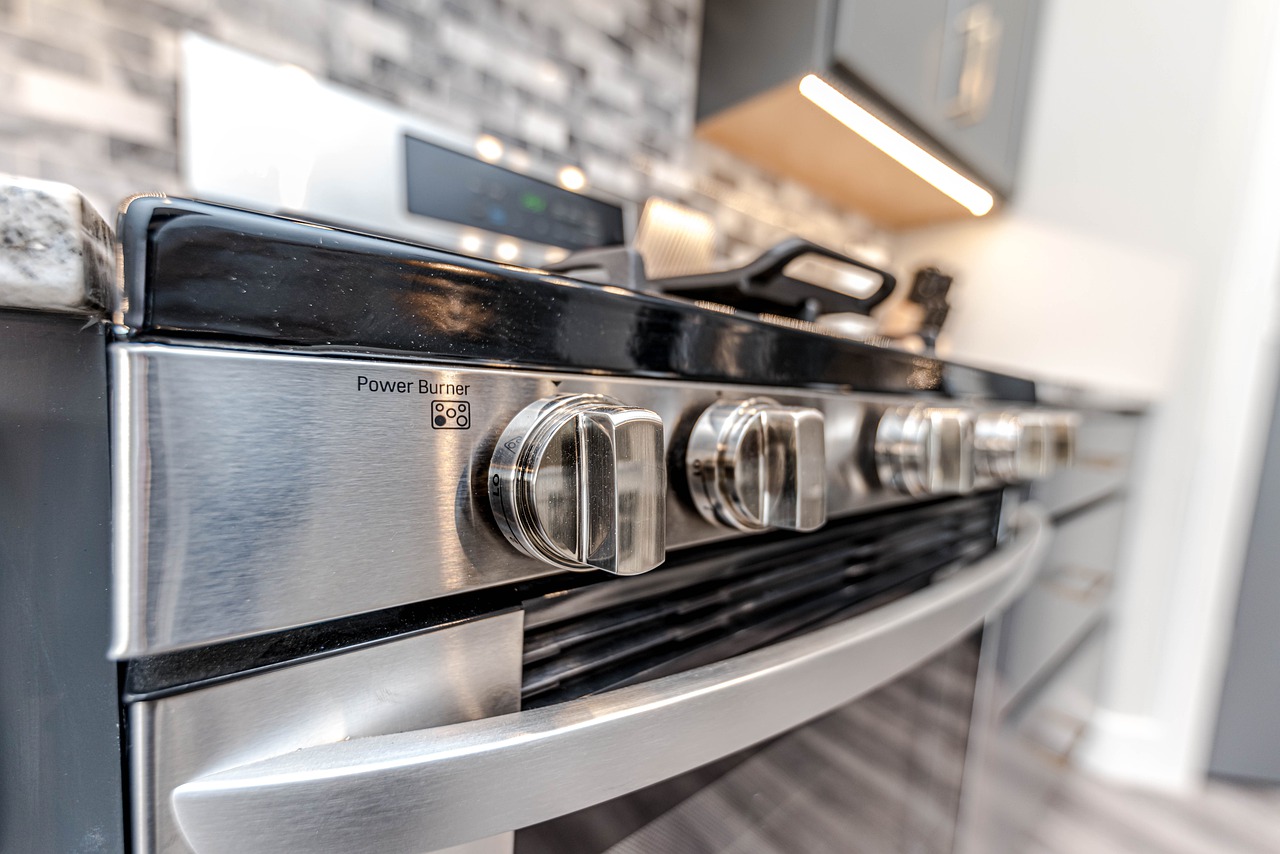
It’s also a good idea to wipe down the exterior of your appliances with a damp cloth from time to time. It will help remove any dirt or dust built upon the surface. It’s essential to do this if you have pets, as they can leave behind hair and dander that can be difficult to clean otherwise. This way. Your appliances will look nice and clean, and they’ll be less likely to attract dirt and dust in the future.
<
Unplug Electronics When Not in Use
Finally, it’s a good idea to unplug electronics when they are not in use. Electronics that remain plugged in will draw power and slowly drain the batteries inside. Moreover, they can also drain more electricity and potentially increase your monthly bills. Be sure to turn off any electronic devices before you leave home or go to bed at night, so your appliances don’t waste energy while you’re gone. There you have it – some of the best tips for keeping your home appliances running smoothly.
Your home is considered your most significant investment, and therefore every decision to build or rebuild is essential. You must start hiring an experienced building construction company now. However, the conflict lies in finding the perfect constructor for your home. The choice of the right contractor or builder, regardless of the project’s size, must be made carefully.
As a general rule, an excellent contractor should provide all possible construction, installation, and repair services. You should be present at all stages of your crucial contractor, from start to finish, during the construction of a house, or simply by carrying out some renovations and repairs. Here are the most straightforward tips to find the best general construction company.
Create a List of Contractors
You will need to draw up a list of local contractors who will provide professional services around you. Consider Google, your best friend. You can ask your closest and dearest colleagues and friends if they know of any reputable local contractor who will meet your needs.
Speak and interview several contractors and prime contractors and see if they will take care of your tasks. Make a list of the companies you have spoken to check them out. You can tell the contractor if they already know the type of architectural project you are looking for and their materials. You can choose a contractor that meets the above criteria and will provide you with a cost-effective budget that fits your budget.
Ask for Samples for Previous Work
A serious hiring company with years of experience will have several sample jobs to help you develop your potential customers’ trust! Always ask the contractor to show you previous jobs. This could be photos or a side trip of the projects they have worked on or are working on. For example, they can post a gallery of their previous work on their website, along with addresses where they can get their retail orders.
Check Their Credentials and Reputation Online
A company with years of experience serving its regional community would like to have some awards and certifications. It will probably check the company’s website to see if it has received any! For example, one of Calgary’s best landscaping and construction companies received a BBB A+ test. They are ranked as the best landscaping company for two consecutive decades, setting it apart from the competition.
Another indication of a reputable company is working with real estate agents, subcontractors, and architects who can help you make better decisions for your premises. It is essential to assess which people are talking to a particular small business online, as both satisfied and dissatisfied customers leave testimonials. The offer often varies depending on the type of substance and the amount of work done.
Avoid an Underbid
The cheapest bid is not always the best, and most requests are not necessarily a money trap. Because of your construction and annex, you should confirm that the actual cost will probably be higher than the budget and will likely only slightly exceed your budget. Therefore, you will need to find out what kind of materials are used to build or repair your home and review the costs, advantages, and disadvantages with different companies to come to a decision.
Check Their License and Safety Procedures
Your contractor must be accredited, especially if your city or state requires it! Also, evaluate the security processes and whether or not your contractors are hired. Your contractor’s ability to save and cover a project may allow him to do so if something unpleasant happens. Security is just another important issue; an appropriate security plan should be developed with your construction team.
If you are in the market for a new home, renting to own is an option worth considering. Rent-to-own homes have been around for decades and continue to be popular with people who want to buy a house but cannot afford it yet. Read more about it at the c4dcrew site. There are many benefits to renting to own, such as getting your foot in the door of homeownership before buying outright. This article will discuss some helpful tips that could help you get into a rent-to-own home!
Think About How Much You Want to Spend on a Home
The first step in getting into a rent-to-own home is to think about how much you want or can afford to spend on a house. You don’t want to get yourself into a situation where you are locked into a contract for a home that is out of your budget. Work with the rental company and your lender to figure out how much you can afford each month. Keep in mind that the rent for a rent-to-own home is usually higher than the average rental payment.
It is because you are also paying towards the purchase of the house. However, when you buy outright, later on, your mortgage payment will be lower than if you had rented from a different company.
Research the Neighborhoods in Your Price Range
Once you have an idea of how much you want to spend on a home, it is time to research the neighborhoods that fall into your price range. You don’t want to waste your time looking at homes in communities out of your budget. The best way to figure out what a neighborhood is like is by talking to current and past residents. You can also look at crime statistics or information about schools in the area. It is essential to pay attention to what amenities are offered, such as stores near your home, libraries, clinics, and other services.
Visit Open Houses of Other Homes in the Area
After you have a good idea of what neighborhoods you want to focus on, it is time for the fun part: visiting open houses! It will give you a good idea of what homes in the area look like and how much space you can expect. It is also an excellent opportunity to meet with the current homeowners and ask them any questions about the neighborhood or the home.
Don’t be afraid to ask them what the current rent-to-own price is for their home. It will give you a good idea of how much you should expect to pay each month for a rent-to-own home in that area. You can also get an idea of how long they have been renting to own the home and what their experience has been like.
Color shapes how we feel. It can energize a room or calm it. It can make a space feel warm and inviting or crisp and modern. Using color strategically gives each room personality and purpose. The right tones guide moods, influence energy, and express style. Thoughtful color choices also unify your home and reflect your individuality. Christian gifts and wall prints go beyond decoration as they carry meaning. Items like devotional journals, scripture bookmarks, or faith-based jewelry remind recipients of God’s Word in daily life. Every wall, accent, and piece of furniture contributes to the overall experience. Understanding color’s role in interior design helps you create spaces that feel intentional and lively.
Understanding Color Psychology
Colors evoke emotions. Warm tones like reds, oranges, and yellows can make a space feel energetic and cozy. Cool shades such as blues, greens, and purples promote calm and relaxation. Neutral colors, including beige, gray, and white, provide balance and clarity. Recognizing these associations helps you tailor each room to its purpose. A bedroom may benefit from soothing hues, while a home office might use subtle energizing colors. Color psychology ensures that your home supports mood and function naturally.
Choosing a Dominant Color
A dominant color sets the tone of a room. It often appears on walls, large furniture, or flooring. Selecting a strong primary hue gives the space coherence and direction. Neutral bases work well as dominant colors because they allow accents to shine. Alternatively, bold colors can become the focal point if balanced carefully. Your choice influences how other shades interact within the room. A single dominant color provides structure and guides all other design decisions.
Using Accent Colors
Accent colors add depth and character. They complement the dominant shade without overpowering it. Pillows, rugs, artwork, and décor items offer opportunities to introduce these tones. A pop of color can energize a neutral room. Alternatively, a muted accent can soften a bold space. Strategic placement ensures balance. Accent colors reinforce mood and personality while keeping the room visually interesting. They also allow flexibility, making updates or seasonal changes easier.
Creating Harmony Through Color Schemes
Harmony prevents visual chaos. Monochromatic, analogous, and complementary schemes guide effective combinations. Monochromatic schemes use shades of a single color for a serene, cohesive look. Analogous schemes blend adjacent colors on the color wheel for subtle variety. Complementary schemes use opposing colors to create contrast and excitement. Following a scheme ensures the room feels intentional. It helps prevent clashes and maintains aesthetic flow. Harmony between colors strengthens the overall experience of each space.
Balancing Bold and Neutral Tones
Balance is crucial when mixing strong colors with neutrals. Too much boldness can overwhelm, while too much neutrality may feel bland. Combining both allows personality to shine without chaos. For example, a bright wall can be paired with neutral furniture. Bold décor elements can contrast soft-colored surroundings. Proper balance draws attention to key areas while maintaining comfort. It also gives each room a sense of rhythm and cohesion, making the space feel thoughtfully composed.
Using Color to Define Function
Color can define a room’s purpose. Kitchens often feature energetic, warm tones to inspire activity. Living rooms may incorporate calming hues that encourage conversation and relaxation. Bedrooms benefit from restful shades that promote sleep. Even hallways and entryways can use color strategically to signal transition or welcome guests. Matching color choices with intended function ensures that the home supports lifestyle naturally. It enhances both aesthetic appeal and usability.
Layering Texture and Color Together
Texture amplifies color’s impact. Matte, glossy, and textured surfaces interact with light differently. A velvet sofa in a deep hue feels rich and inviting. Glossy tiles reflect light and add vibrancy. Layering colors with varying textures enhances depth and personality. Rugs, curtains, and furniture finishes contribute to this effect. Thoughtful layering turns a flat color scheme into a dynamic, tactile experience. It ensures rooms feel lived-in and engaging, not sterile or one-dimensional.
Using color strategically transforms a house into a home. By understanding color psychology, choosing dominant and accent tones, and balancing bold and neutral shades, each room can express personality and purpose. Harmonious color schemes guide the eye and calm or energize the senses. Layering textures alongside colors adds depth and creates a unique atmosphere. Thoughtful color application supports function, mood, and aesthetic appeal. When done with care, every room can tell a story and reflect individuality, making the home both inviting and inspiring.