4 Reasons to Get a Water Softener Machine

The water in your home’s pipes is not always as pure as you might think. The hardness of the water can cause problems for appliances and fixtures, including clogged drains, showerheads that don’t spray well, toilets that are constantly running, and dishwashers with poor cleaning power. If these things sound familiar to you, it may be time to invest in a water softener machine like the one from farmfoodfamily.com! Here are four reasons why it could make sense to get one now:

It Improves the Lifespan of Household Items

utensilsOur cooking utensils and kitchen sets are constantly exposed to water, and, over time, the minerals in hard water can cause them to rust. The same goes for our clothes- the fabric softener that we add to our laundry often doesn’t work as well on items that have been washed in hard water. A water softener machine will help prolong the life of all of your household items by removing the minerals that cause these problems.

It Keeps Your Skin Healthy

When you shower in hard water, your skin can feel itchy or dry after a while since the soap will not work lather correctly. If you have eczema or psoriasis, this is especially true- so investing in a softener machine can help soothe your skin and keep it healthy.

It Saves You Money

The less time you spend on household tasks, the more time you have for yourself! A water softener machine can save you a lot of money in the long run by helping your appliances and fixtures last longer. It can also reduce the amount of soap you need to use to get a good clean, which means you’ll be spending less on laundry detergent, dishwasher soap, and so on.


It Reduces the Amount of Scale Build-Up

If your water is particularly hard, you may have noticed a white film or scale buildup on your dishes or glassware. A water softener machine can remove these minerals before they start building up, which helps to keep your dishwasher clean and free of any stains!

The Bottom Line

There you have it, folks! The top four reasons you should consider investing in a water softener machine. If you’re tired of dealing with the hassles that come along with hard water, this could be the solution for you! Remember to share the article with your friends and family members if you enjoyed reading it!
Leave a Reply

Your email address will not be published. Required fields are marked *

Related Post

modern

Minimalist Contemporary Living: How to Achieve a Sleek and Functional HomeMinimalist Contemporary Living: How to Achieve a Sleek and Functional Home

Imagine stepping into a home that feels like a breath of fresh air. Every corner is thoughtfully designed, and every item is purposeful. Welcome to the world of minimalist contemporary living a style that marries sleek design with functionality. In this fast-paced era, simplicity can be a refuge from chaos. Minimalist living isn’t just about less clutter; it’s about creating an environment that promotes peace and clarity. It invites you to focus on what truly matters while surrounding yourself with beauty and utility. If you’re curious about how to transform your space into a sanctuary of minimalism, you’ve landed in the right place.

How to blend mid century modern with contemporary styles at home with a hint of minimalism? Minimalist contemporary design is all about simplicity and elegance. It emphasizes clean lines, open spaces, and a sense of tranquility. This approach strips away the unnecessary, allowing each element to shine. Color palettes in this style are often neutral think whites, grays, and earthy tones. These hues create a calm backdrop that enhances natural light and fosters an inviting atmosphere. Textures play a key role as well. A balance between sleek surfaces like glass or metal with softer elements such as wood or fabric adds depth without cluttering the visual space.

The Benefits of Minimalist Living

Minimalist living offers a refreshing escape from the chaos of modern life. By stripping away excess, it allows you to focus on what truly matters. This lifestyle promotes mental clarity. A decluttered space often leads to a decluttered mind, reducing stress and anxiety levels significantly. Financial freedom is another perk. With fewer possessions comes lower spending habits. Investing in quality rather than quantity can lead to long-term savings. Sustainability benefits are undeniable too. Minimalism encourages mindful consumption, helping reduce waste and environmental impact.

Key Elements of a Minimalist Contemporary Home

home

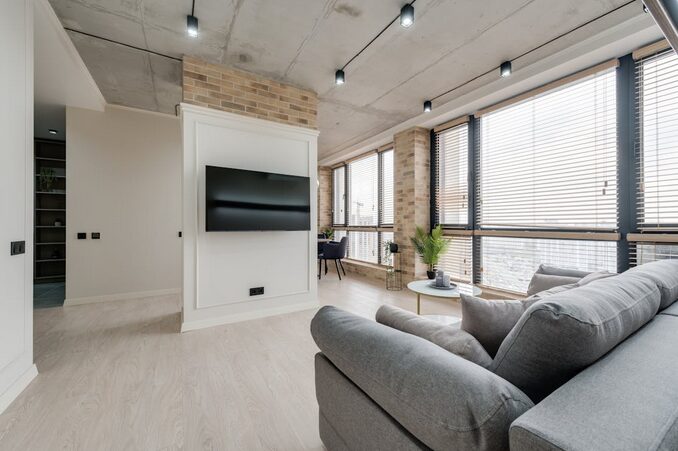
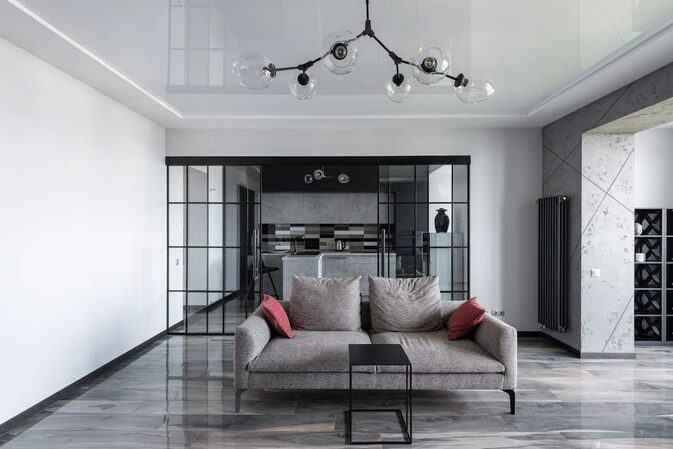
A minimalist contemporary home thrives on simplicity. Clean lines and open spaces create an airy feel, allowing light to flow freely. This openness invites tranquility into your living environment. Neutral color palettes dominate the scene. Shades of white, gray, and beige form a calming backdrop that highlights functional design elements. Pops of color can be introduced sparingly for visual interest but should remain understated. Furniture selection is crucial in this aesthetic. Choose pieces with sleek profiles and multifunctional capabilities. A sofa that converts into a bed or coffee table with hidden storage exemplifies smart design choices.

How to Declutter and Simplify Your Space

Decluttering is the first step to achieving a minimalist space. Start with one room at a time. Focus on areas that tend to accumulate clutter, like your living room or bedroom. Use the “four-box method”: keep, donate, sell, and toss. This approach helps you categorize items quickly and efficiently. Be ruthless; if something hasn’t been used in six months, it’s time for it to go. Next, aim for functionality over aesthetics when evaluating your belongings. Every item should have a purpose or bring joy into your life. Organize what remains in a tidy manner. Clear surfaces create an airy feel and promote tranquility throughout your home.

How to Choose the Right Furniture and Decor

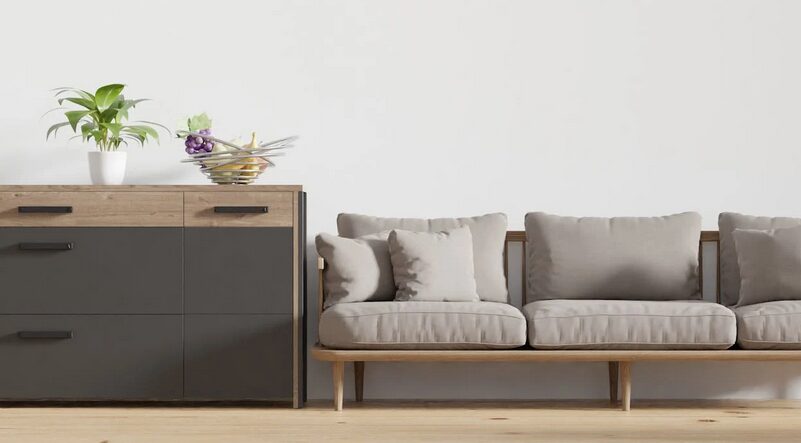
sofa

When selecting furniture and decor for your minimalist contemporary home, focus on functionality first. Each piece should serve a purpose while also enhancing the overall aesthetic. Look for clean lines and neutral colors. These elements create a cohesive look that feels both spacious and inviting. Think about multifunctional furniture; items like nesting tables or storage ottomans can maximize space without compromising style. Quality over quantity is key here. Invest in fewer, high-quality pieces rather than filling your rooms with items that don’t resonate with you. A well-crafted chair or a striking piece of art can become a focal point in any room.

How to Incorporate Technology Into Your Home

Integrating technology into a minimalist contemporary home can enhance both functionality and style. Start with smart lighting systems that allow you to adjust brightness and color through your smartphone. This not only saves energy but also creates the perfect ambiance for any occasion. Consider using smart speakers or voice assistants. They can help control other devices, play music, or even manage schedules without cluttering your space with remotes. Incorporate sleek appliances that boast modern designs along with efficiency features. Look for refrigerators, ovens, and washing machines that blend seamlessly with your decor while providing advanced functions.

Embracing minimalist contemporary living can transform your home into a serene and functional oasis. This design philosophy emphasizes simplicity, clean lines, and an uncluttered environment. By understanding the essence of minimalism, you can create a space that not only looks good but also feels good. The benefits are numerous. A minimalist lifestyle reduces stress and distractions while promoting mindfulness and focus. You’ll find it easier to maintain harmony in your surroundings when unnecessary items are kept at bay.

board

Modern Methods, Timeless Feel: Blending Tech and Tradition in Home ConstructionModern Methods, Timeless Feel: Blending Tech and Tradition in Home Construction

Building a home today is a fascinating dance between innovation and heritage. On one hand, modern construction technologies promise faster builds, better efficiency, and smarter living environments. On the other hand, many homeowners and architects still want that classic charm—the warm wood, the sturdy stone, and the handcrafted details that give a house soul. So, how do you combine the best of both worlds without losing the essence of either? Let’s dive into the exciting ways builders are blending technology with tradition to create homes that feel timeless but function flawlessly in today’s world.

A Way to Keep Traditions Alive With Modern Tools

The construction industry has embraced a wave of new tools and methods, from 3D modeling and drones to prefabrication and robotics. Yet, even as these advancements streamline processes, many builders are careful to preserve traditional craftsmanship. According to recent coverage on News.de, projects that successfully marry tech with tradition often use digital design tools to replicate intricate woodwork or stone masonry that would otherwise require long hours of manual labor. This approach not only speeds up production but also allows for greater precision without sacrificing the artisanal touch that defines a classic home.

Sustainable Building Meets Heritage Style

Sustainability is no longer just a trend; it’s a necessity. New construction materials and energy-efficient systems help reduce environmental impact, but what if these modern solutions don’t visually fit with a traditional design? Fortunately, builders now have access to eco-friendly materials that mimic the look and feel of historical ones. For example, recycled bricks, reclaimed timber, and lime-based plasters offer the same rustic appeal as older homes while meeting today’s green building standards. This marriage of sustainability and style is reshaping neighborhoods and preserving the character that makes historic districts so beloved.

Smart Homes With Classic Appeal

smart home

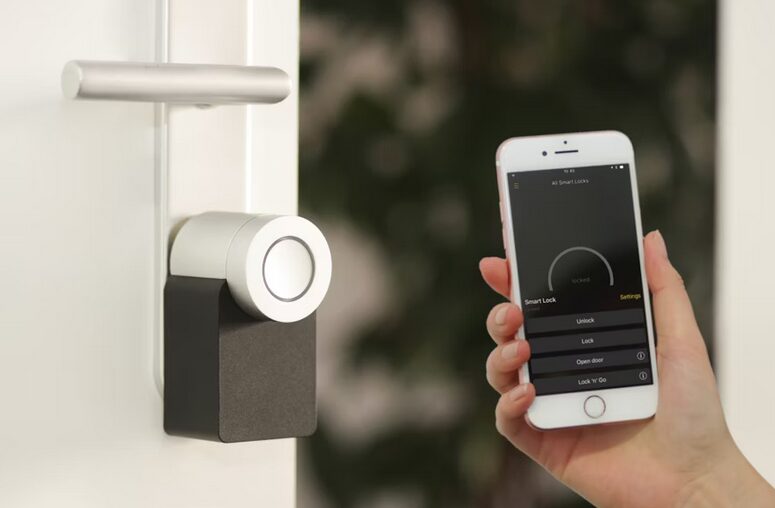
Technology isn’t only changing how homes are built—it’s transforming how we live in them. Smart home systems offer convenience, security, and energy savings, but many people worry that flashy gadgets clash with traditional aesthetics. The good news is that modern smart tech can be seamlessly integrated into timeless designs. Lighting, climate control, and even audio systems can be hidden within classic moldings or disguised in vintage-style fixtures. This subtle integration ensures that a home’s old-world charm remains intact while benefiting from cutting-edge convenience.

Craftsmanship Enhanced by Digital Precision

Handmade details have always been a hallmark of traditional homes, but today’s craftsmen have new tools at their disposal. Laser cutters, CNC machines, and digital blueprints allow for the creation of intricate components with incredible accuracy and consistency. These technologies support artisans in pushing their craft further while reducing errors and waste. Whether it’s custom cabinetry or detailed ironwork, the blend of hands-on skill and digital precision results in beautiful finishes that honor tradition without being limited by it.

Balanced Cost and Authenticity

budget

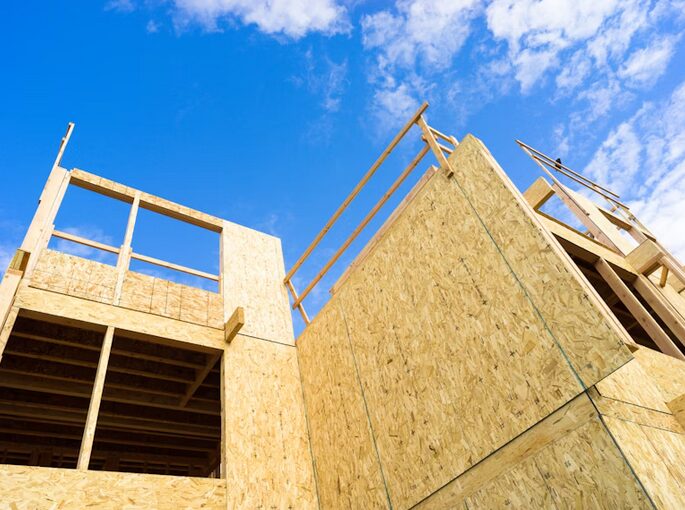
Blending modern methods with traditional styles can sometimes raise budget concerns. Custom details and handcrafted finishes tend to be more expensive, while high-tech construction methods can also carry upfront costs. However, the right balance can actually save money over time. For example, prefabricated wall panels with authentic-looking finishes can speed up construction and reduce labor costs, while energy-efficient systems lower utility bills for years to come.

The future of home construction doesn’t have to choose between the old and the new. By thoughtfully combining modern technologies with timeless design elements, builders can create homes that are both beautiful and practical. These living spaces honor the craftsmanship of the past while embracing innovations that make life easier and more sustainable. Whether you’re dreaming of a cozy cottage with smart heating or a grand estate that harnesses solar power discreetly, the blend of modern methods and traditional feel opens up exciting possibilities for the homes we build and cherish.

The Myth of the “Cheap Prefab Home”The Myth of the “Cheap Prefab Home”

Prefab homes have gained widespread attention as a modern alternative to traditional construction. With promises of faster build times, streamlined manufacturing, and lower prices, many buyers assume they offer an inexpensive path to homeownership. While prefab construction can provide significant advantages, the belief that every prefab home is automatically cheap is one of the biggest misconceptions in the housing market. The reality is that the total cost depends on many factors beyond the advertised base price. Understanding these variables helps buyers make informed decisions and avoid unexpected expenses throughout the building process.

The Difference Between Base Price and Total Cost Is Significant

One of the biggest reasons the myth persists is that advertised prices often reflect only the basic structure of the home. These figures rarely include site preparation, utility connections, transportation, permits, or foundation work. Readers of bauprofessor often discover that comparing complete project costs provides a much more realistic picture than focusing on the manufacturer’s starting price alone. Looking beyond promotional figures is essential when evaluating whether a prefab home truly fits a specific budget.

Site Preparation Can Significantly Increase Expenses

Even if the prefab structure itself is competitively priced, the land must still be prepared before installation. Clearing vegetation, grading the property, creating access roads, and installing foundations all require specialized work that can substantially increase the final budget. In addition, connecting electricity, water, sewage, and internet services may involve further costs depending on the location. These essential preparations are frequently overlooked when buyers estimate the affordability of prefab housing.

Customization Often Raises the Final Price

customization cost

Many buyers are attracted by beautiful model homes displayed in brochures and online galleries. However, the showcased designs frequently include premium finishes, upgraded kitchens, larger windows, smart home systems, and energy-efficient features that are not part of the standard package. As buyers personalize floor plans and select higher-quality materials, the total investment grows steadily. While customization creates a home better suited to individual needs, it also demonstrates that affordability depends largely on personal choices rather than the construction method alone.

Financing and Regulations Influence Affordability

Financing a prefab home can differ from financing a conventional house, particularly when construction and land purchases are handled separately. Some lenders have unique requirements for modular or manufactured homes, which may affect loan terms and approval processes. Local building regulations, zoning requirements, inspections, and permit fees also vary by region. These administrative considerations contribute to the overall cost and should be researched early in the planning process to avoid unexpected financial challenges.

Long-Term Value Matters More Than the Initial Price

Focusing exclusively on the lowest purchase price can overshadow the importance of long-term value. High-quality prefab homes often feature excellent insulation, modern construction techniques, and energy-efficient systems that reduce operating expenses over time. Durable materials and thoughtful design can also lower maintenance costs while improving comfort and resale potential. Instead of judging a prefab home solely by its upfront price, buyers should evaluate the complete financial picture, including future savings and property value.

The idea that every prefab home is inexpensive is a myth that oversimplifies a much more complex reality. Although prefab construction can deliver outstanding efficiency and cost advantages, the total investment includes land preparation, transportation, customization, permits, financing, and many other important factors. Buyers who carefully examine the complete project budget rather than relying on advertised starting prices are better positioned to make confident decisions. With realistic expectations and thorough planning, a prefab home can represent excellent value, even if it is not always the bargain many people initially expect.