
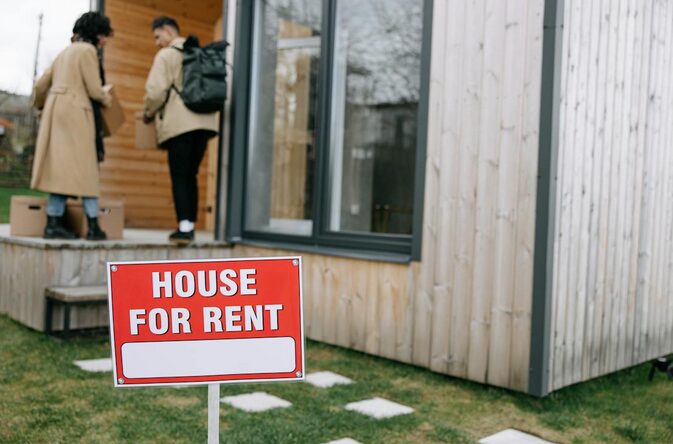
Renting a property abroad can be both exciting and daunting for international renters. From navigating lease agreements to understanding local rental laws, several pitfalls can catch renters off guard. In this article, we will explore the common mistakes to avoid when renting a property abroad. By being aware of these potential pitfalls when setting up home abroad, you can approach the process with confidence and make informed decisions.
Not Understanding Lease Terms

One of the most common mistakes international renters make is not thoroughly understanding the lease terms. Lease agreements can vary significantly from country to country, and it’s important to carefully review all the terms and conditions before signing. Pay close attention to clauses regarding rent increases, maintenance responsibilities, termination, and deposit refunds.
Neglecting Local Rental Laws
Another mistake that international renters often make is neglecting to familiarize themselves with local rental laws. Each country may have its own set of regulations governing the landlord-tenant relationship, including rent control, eviction procedures, and dispute resolution mechanisms. Failing to understand these laws can leave renters vulnerable to unfair treatment or legal complications. Take the time to research and understand the rental laws in the country you are renting in and ensure that your rights as a tenant are protected.
Overlooking Additional Costs

Renting a property abroad involves more than just paying the monthly rent. Many international renters overlook additional costs such as utility bills, property taxes, and maintenance fees. Before signing a lease, inquire about the average monthly costs associated with living in the area, including electricity, water, heating, and internet services. It’s also important to clarify who is responsible for covering these expenses and factor them into your budget. By being aware of these additional costs upfront, you can avoid financial surprises down the line.
Ignoring Property Inspections
International renters often make the mistake of neglecting property inspections before moving in. Inspecting the property thoroughly is crucial to identify any existing damages or maintenance issues. Take note of any pre-existing damage and document it, preferably with photos, so that you are not held responsible for those damages when your lease ends. Have a trusted local contact accompany you during the inspection to ensure that all aspects of the property are checked and any concerns are addressed before signing the lease.
Renting a property abroad can be a smooth and rewarding experience if international renters avoid common mistakes. By thoroughly understanding lease terms, familiarizing themselves with local rental laws, considering all additional costs, and conducting property inspections, international renters can protect their rights and make informed decisions.

 Poke across the lining
 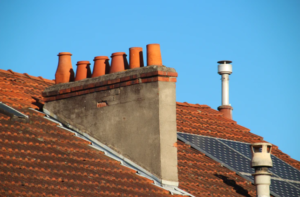 Age induces the asphalt shingles to flake and crack. This is a sure sign of complete replacement. If only a few shingles have been destroyed, a temporary repair will continue. But if a person out of five or even more at least ten shingles reveals corrosion signals, then the entire roof needs replacement. Leaves are innocent-looking criminals. Gutters full of leaves and debris causes the water to come up with a negative influence on the roofing.
 A CASp will understand which criteria are relevant to your
  A handicap access inspection certification (Certification ) is a list of reviews, not a certification of compliance. A Certificate must be issued to you using a CASp review report whether your facility is decided to satisfy applicable construction-related accessibility criteria. Business/facility owners must take no additional certification provided by a CASp aside from a Certification purchased from the State Architect Department.