
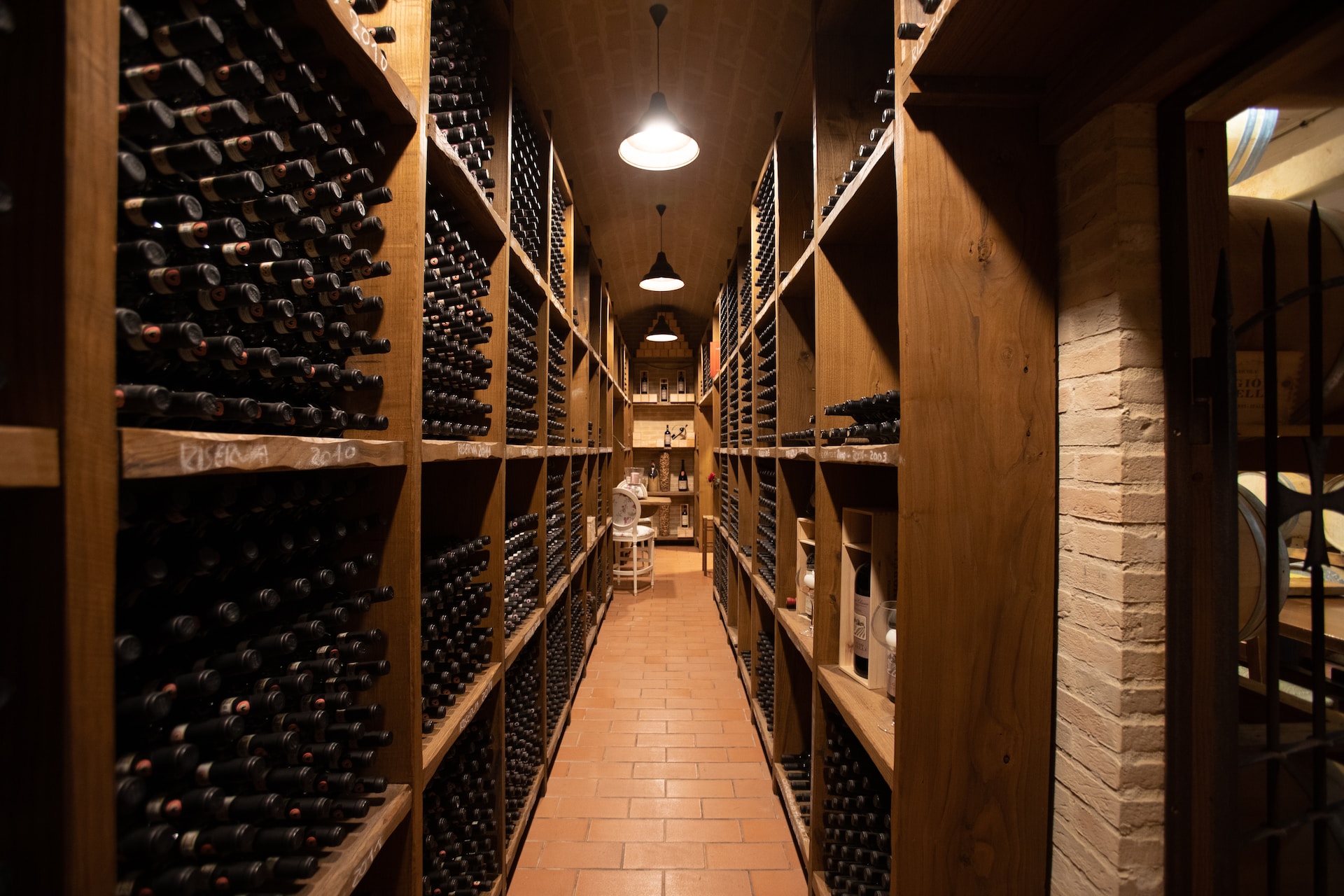
Welcome wine enthusiasts and cellar aficionados. Are you dreaming of creating your own sustainable cellar but worried about its impact on your wallet? Well, fret no more! Here, we will guide you through some cost-effective tips and tricks to help you build a sustainable cellar without breaking the bank. Today, many people are opting for sustainable cellar construction. To know more about it, read the article from Archzine. So grab a glass of your favorite vintage, and let’s create a budget-friendly haven for your beloved bottles! Cheers to sustainability on a budget.
Location
Choosing the right location for your cellar is crucial for maintaining a sustainable and energy-efficient environment. First and foremost, consider a naturally cool area in your home, such as a basement or an underground space. These areas tend to have more stable temperatures ideal for wine storage. Next, assess the level of insulation in the chosen location. Proper insulation will help regulate temperature fluctuations and reduce energy consumption. Invest in insulating materials like foam board or spray foam insulation if necessary to create a cozy cocoon for your wines.
 Ventilation
 Ventilation
Ventilation is a crucial aspect when building a sustainable cellar on a budget. Proper airflow helps maintain the ideal conditions for storing wine and prevents mold or musty odours from developing. One cost-effective way to ensure good ventilation is by installing small, adjustable vents in strategic locations within the cellar. These vents allow fresh air to enter while expelling stale air. Additionally, they provide an opportunity for cross-ventilation, which aids in temperature regulation. Furthermore, natural ventilation can be achieved by utilizing existing windows or creating small openings near the top of walls that lead outside. This allows for passive airflow without relying on mechanical systems.
Natural Flooring
When building a sustainable cellar on a budget, one important aspect to consider is the choice of flooring. Natural flooring not only adds an earthy and organic touch to your cellar but also provides numerous benefits. One option for natural flooring is cork. Cork is a renewable resource as it comes from the bark of cork oak trees, which can be harvested without harming the tree. It is durable, resistant to moisture and provides good insulation. Another alternative is bamboo flooring, which grows quickly and replenishes itself rapidly. Bamboo has a similar look to hardwood but at a more affordable price point.
Recycled Materials
 Recycled Materials
When building a sustainable cellar on a budget, incorporating recycled materials is not only eco-friendly but can also add character and charm to your space. By giving new life to old materials, you can create a unique and one-of-a-kind cellar that reflects your personal style. One option for using recycled materials is repurposing old wooden pallets. These versatile pieces can be transformed into wine racks or shelves, providing functional storage while adding rustic flair. Look for pallets in good condition and give them a thorough cleaning before incorporating them into your cellar design. Another idea is to use reclaimed bricks or stones as flooring or wall accents. Not only do these materials have an interesting texture and color, but they also help reduce waste by repurposing resources that might otherwise end up in landfills.
Incorporating these strategies into your cellar construction project allows you to build an environmentally friendly space without breaking the bank. Plus, knowing that you’ve created a sustainable haven for your precious wines adds an extra sense of satisfaction. So go ahead and start planning your own budget-friendly, sustainable cellar today! Cheers to preserving our planet while enjoying our favorite wines.
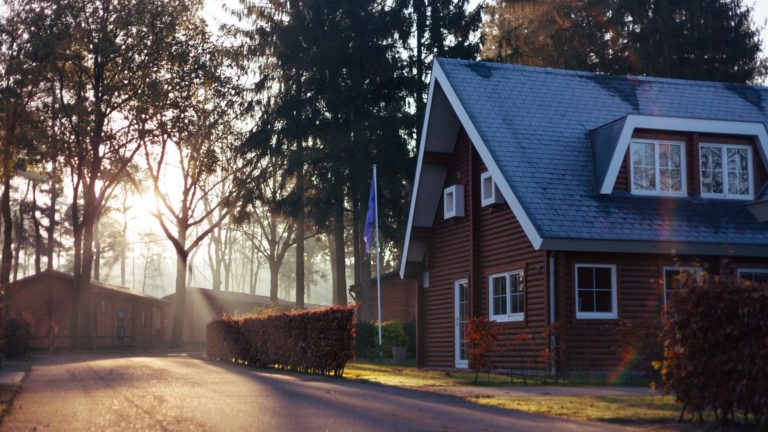
 Poke across the lining
  Age induces the asphalt shingles to flake and crack. This is a sure sign of complete replacement. If only a few shingles have been destroyed, a temporary repair will continue. But if a person out of five or even more at least ten shingles reveals corrosion signals, then the entire roof needs replacement. Leaves are innocent-looking criminals. Gutters full of leaves and debris causes the water to come up with a negative influence on the roofing.
 One of the best ways to keep your air conditioner running OK is to clean the filters regularly. Dust and dirt can build up on the filters over time, affecting the unit’s performance. Be sure to clean or replace the filters as needed to ensure that your AC is functioning at its best. Moreover, if you have pets, be sure to clean the filters more often, as they will likely contain more pet hair than other filters. You can also buy disposable air conditioner filters, making cleaning the filter much more effortless.
 Finally, it’s a good idea to unplug electronics when they are not in use. Electronics that remain plugged in will draw power and slowly drain the batteries inside. Moreover, they can also drain more electricity and potentially increase your monthly bills. Be sure to turn off any electronic devices before you leave home or go to bed at night, so your appliances don’t waste energy while you’re gone. There you have it – some of the best tips for keeping your home appliances running smoothly.