
Tips To Build a Pigpen

Like any other animal enclosure type, sheep and the other animal enclosures must provide sufficient space, shelter, and food and water access for every living thing. The exact size you need for your pen will depend on the breed and size of the adult animals (unless they are just famous youngsters, in which case their maximum size should guide you before they are moved to another enclosure). This guide describes the necessary factors for getting an old, non-repeatable pigsty.

Types of Pig Fences

pigpen

There are many different types of pens that people commonly use for pigs, such as temporary pens made of wire and much more durable pens made of panels. Here we will focus on a more durable enclosure designed to survive an animal’s entire life. The number of pigs you will house in your enclosure is the first important consideration for the space you want. Stables must be very durable to withstand the wear and tear associated with raising cows. Pork plates are often the most popular choice for hobbyists and small farmers. These panels are relatively inexpensive and require no maintenance, and only need to be replaced if a pig can seriously damage the panel.

piglet They are extremely easy to install by fixing them to fence posts with a strong wire (e.g., metal poles) or a mixture of wire and wooden clamps (e.g., wooden bars). The pens do not have to be very high, but small holes between the pliers or the wire mesh are indispensable, as it has been proven that pigs pass through several fences, mostly wooden slats. Tubular plates tend to be more expensive than other pig housing options but offer unsurpassed strength and safety for more massive dinosaurs.

Select Feeders and Sprinklers

big pigAn ideal pigpen doesn’t necessarily have to be this high (about 4′ for a 250-pound slaughter pig) and should provide enough space for each animal to get in and fully stretch out in the elements. An isolated ash block works well but can be expensive. Place metal sheets on the areas that the pigs can obtain to protect them from a lot of future maintenance. This is both a waste of food and a potential health hazard, as food can become moldy and attract more insects and rodents into the bay.

Automatic feeders, which are filled from above, are excellent for preventing this problem. This opening is a size that will enable the pig to eat its food but does not allow it to rummage through the fence at a distance. Constant access to clean water is essential for the complete welfare of a pig. Pigs must have access to a roll in the hay. Most of the time, it is just a well-watered piece of land, so they have sand that rolls up and helps them stay cool when it is hot.

Related Post

outdoor space

Tips to Improve Your BackyardTips to Improve Your Backyard

To have an ideal backyard is everyone’s dream. This remarkable living space can be beneficial to you, where you can prepare outdoor activities and have fun with friends and neighbors. For instance, if you or any member of your family is a sports enthusiast, then your backyard should be an ideal place and big enough to accommodate the best soccer rebounder you need. However, not all of us are blessed with a wonderful backyard, and any design and remodeling process is seriously tough. It will take some time and be expensive in which many people would refrain from that due to the amount of time and money needed. But the good news is that you can start improving your backyard without too many expenses. You don’t need to do an overall renovation, either. Here are some simple ways to improve this particular part of your home and enjoy a beautiful and stimulating backyard.

Outdoor Lounge and a Garden

Backyard space

You can utilize many simple things to build great space without investing too much money in this regard. For example, you can make an outdoor cinema by just extending a comfortable blanket on the ground, topped with a mattress and covered by fabrics, cushions, and pillows. You may also add some lights around and a white hanging sheet on a wall or tree. Or you may start your garden with a variety of plants, trees, flowers, and vegetables. You need first to prepare areas and to make plans before setting up your garden. For example, you need the sunlight and shade fall in your garden and assess a non-disturbing place. Without a doubt, these spaces would turn your backyard into a wonderful area on weekends. So better start disposing or restoring old furniture items, cleaning the trash, and unnecessary tools to create your backyard project.

Outdoor Kitchen

Outdoor ActivityYou might wonder what benefits an outdoor kitchen has, but several ones and the investment would be worth it. Outdoor kitchens or barbecue area, for instance, is an ideal place to entertain your family and visitors. Here you can organize outdoor activities like parties, thus keeping the smell of cooking and food outside the house. You need to understand that this option will surely increase your home’s value, and you will be proud to showcase them to your family and friends.

You can also build a fire pit at your backyard, depending on your budget and space; the ideas, the size, and materials are it’s up to you, of course.

A Pool

Most homeowners dream of having a pool, which is essential every summer. But the idea may be out of our budgets and plans. How about a pool made of recycled materials? In this regard, you can find many DIY ideas online, or you can attach ten pallets and a waterproof tarp as a base for the lining, with some other budget-friendly materials. On the pallets, there are several DIY projects and ideas that you can easily do for the sake of improving your backyard. All you need is to let your imagination and creativity out, and you will be amazed at the results.

Besides, do you have any backyard ideas of your own?

pool

A Comprehensive Guide to Prefabricated HomesA Comprehensive Guide to Prefabricated Homes

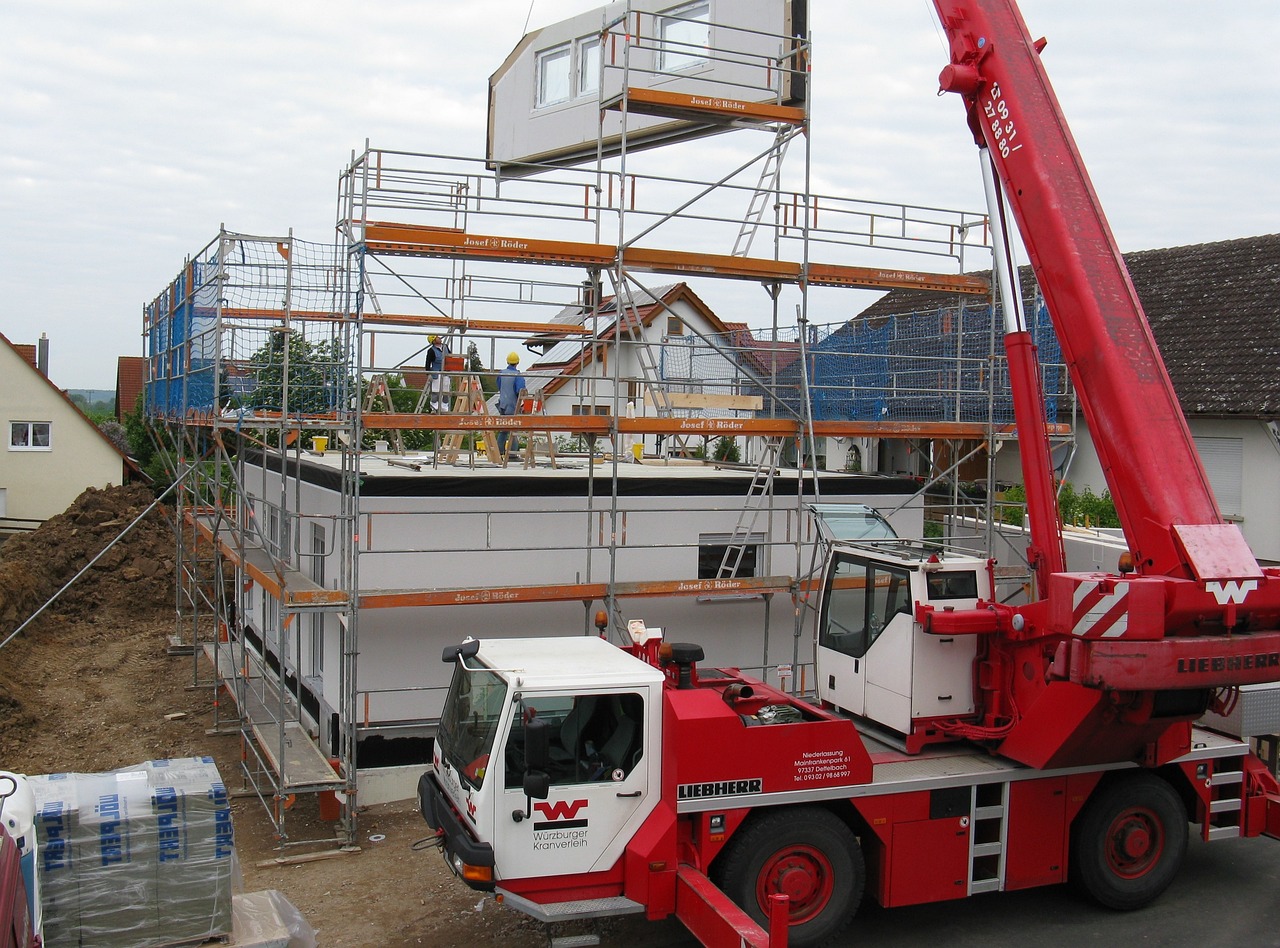
Prefabricated homes, also known as prefab homes or modular homes, have gained popularity as an alternative housing option. Thanks to Homify and other agencies, these homes are constructed off-site in factory settings and then transported to the intended location for assembly. This article provides an in-depth overview of prefabricated homes, their benefits, considerations, and various aspects you need to know before considering this housing option.

Types of Prefabricated Homes

There are several types of prefabricated homes, each with its own construction method and design:

Modular Homes: These homes are constructed in sections, or modules, in a factory. The modules are then transported to the site and assembled to create the final home.

Panelized Homes: In panelized construction, walls, floors, and roof panels are built in a factory and shipped to the site for assembly.

Kit Homes: Kit homes come in pieces that homeowners can assemble themselves or with the help of contractors. They are often more customizable than other prefab options.

Benefits of Prefabricated Homes

Prefabricated homes are built in controlled factory environments, reducing construction time significantly compared to traditional on-site construction. Factory production and bulk purchasing of materials can lead to cost savings, making prefab homes an attractive option for budget-conscious individuals. Prefabricated homes undergo rigorous quality control during manufacturing, ensuring consistent standards are met. These homes offer customizable designs and floor plans, allowing homeowners to create a space that suits their preferences.

Considerations Before Choosing a Prefab Home

Check local zoning laws and building codes to ensure that prefab homes are allowed in your desired location. Site preparation, including foundation work, utilities, and transportation, is crucial for successful prefab home installation. While many prefab homes offer customization options, the extent of customization may vary among manufacturers. Consider the total cost, including the home and site preparation, transportation, permits, and additional features.

lift

Construction Process

Work with the manufacturer or builder to select a design and customize the features of your prefab home. The components of your home are built in a factory setting, where they are protected from weather-related damage. They are then transported to the site and assembled according to the manufacturer’s specifications. Once the home is assembled, finishing touches such as plumbing, electrical, and interior finishes are added.

Resale Value and Financing

Prefab homes can have varying resale values depending on location, design, and housing market. Obtaining financing for prefab homes is similar to traditional homes, but working with lenders familiar with this type of housing is important.

Conclusion

Prefabricated homes offer a modern, efficient, and customizable housing solution. Understanding the construction process and potential benefits allows you to decide whether a prefabricated home fits your housing needs and preferences.

tool box

The No-Nonsense Fix for Home Electrical JobsThe No-Nonsense Fix for Home Electrical Jobs

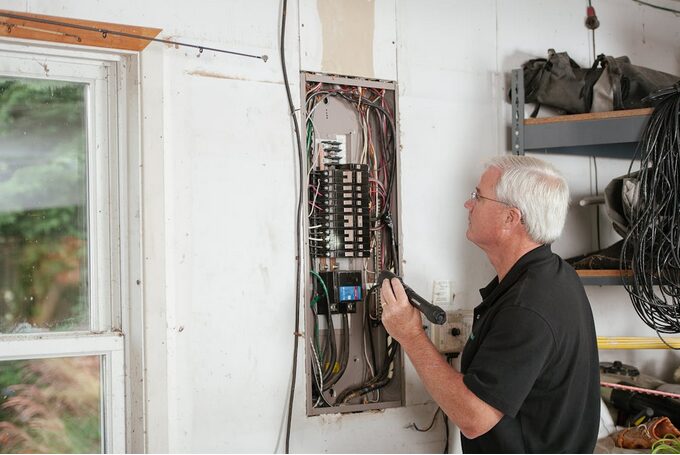
You’re standing on a chair, screwdriver in hand, wires poking out of the ceiling like spaghetti. All you want is for the new pendant light to work. We’ve all been there, staring at electrical wires and second-guessing life choices. That’s why more homeowners are turning to solderless options for making electrical connections easier and safer. These tools remove the tension, the guesswork, and honestly, the sweat.

Old-School Wiring Is Holding You Back

Still using wire nuts and electrical tape? That combo feels like duct-taping a leaky pipe. It might hold, but it’s far from ideal. Wire nuts loosen over time. Tape wears out. Mistakes here can lead to flickering lights or worse, shorts that send your circuit breaker into a meltdown. Solderless connectors solve that. They give you a clean, strong bond. You know when it clicks, it’s done right.

The New Way Is Perfect for the “I’ll Do It Myself” Crowd

man

You don’t need to be an electrician to handle small jobs. You just need tools that don’t make you feel like you’re playing with fire, quite literally. Have a broken switch? A lamp that needs rewiring? A plug that shorted out? These are real problems that happen in real homes. The beauty of solderless connectors is that they’re simple. No fancy gear. No 12-step tutorial. Just insert the wires, seal the connection, and move on with your day. Your neighbor may still be watching YouTube tutorials while you’re already turning the lights back on.

Faster Fixes Mean More Time for the Good Stuff

You don’t want to spend Sunday elbow-deep in drywall. You want your project done fast, safe, and solid. Solderless connectors are built for that kind of momentum. They make rewiring a five-minute task. You can fix a bad outlet before the kettle boils. That’s not an exaggeration, that’s just how streamlined the process becomes. And that peace of mind? It’s the real win. No sparks. No outages. Just a solid connection you can trust.

It Often Means Cleaner, Safer Installs Without the Mess

mess

Nobody talks about this, but the wiring mess is real. Shoved-in wires, tape peeling, things barely holding together behind your drywall, it’s not a pretty picture. Or a safe one. Using connectors not only makes things neater but also helps with long-term reliability. Everything stays tucked, tight, and insulated. It means less stress on the wires. Less risk of faults down the line. Even if you’re the only one who’ll ever see inside that junction box, wouldn’t it feel good knowing it looks like someone actually knew what they were doing?

Doing it right doesn’t have to be complicated. And it doesn’t have to cost a fortune. These tools save you time, reduce your stress, and help prevent problems before they start. You’re not trying to rewire a spaceship. You’re just trying to fix what matters in your home. With solderless connectors, you don’t have to be an expert. You just need the right tool at the right time.