
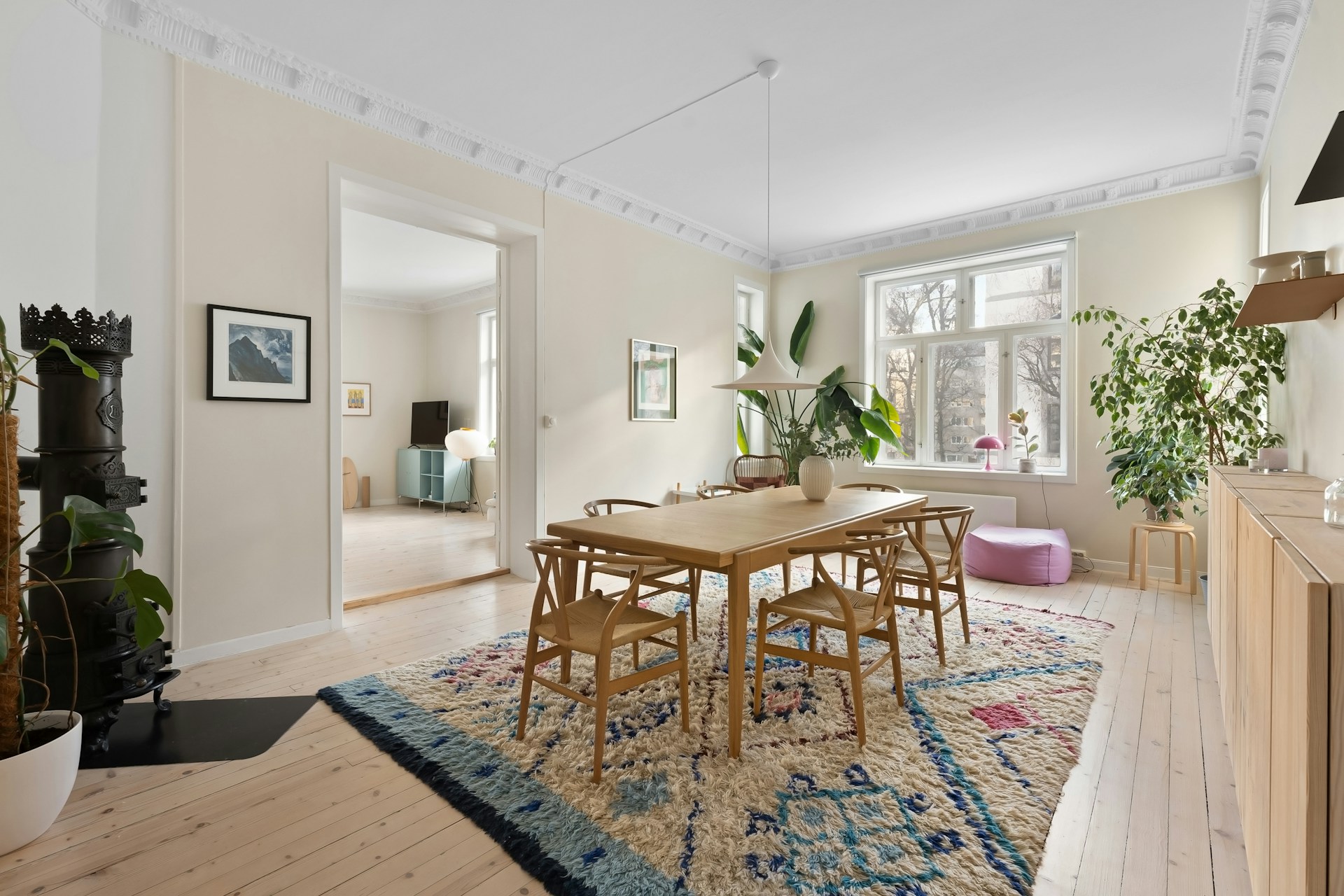
Interior design does not have to be expensive to feel refined. Many homes look high-end because of thoughtful choices, not large budgets. The difference often lies in restraint, cohesion, and attention to detail, which is why assembling visual inspiration boards for room makeovers helps clarify direction before any money is spent. When design decisions feel intentional, spaces appear polished. This article explains budget-friendly interior design ideas that look expensive, focusing on perception, balance, and smart prioritization rather than luxury spending or dramatic renovations.
Cohesive Color Choices Create Elegance
Color consistency matters. A limited palette feels intentional and calm. Neutral tones paired with one accent color often look refined. This approach reduces visual noise. When colors flow from room to room, the home feels curated. Paint is affordable yet powerful. Thoughtful color selection instantly elevates a space.
Lighting Changes Everything
Lighting shapes mood and depth. Warm light feels inviting. Layered lighting adds dimension. Floor lamps, table lamps, and soft overhead light work together. Avoid harsh brightness. Lamps with simple shapes often look more expensive than ornate fixtures. Good lighting highlights design rather than competing with it.
Texture Adds Quiet Luxury
Texture creates richness without clutter. Linen, wood, ceramics, and wool add depth. Mixing textures prevents flat design. Even simple furniture feels elevated when paired with varied materials. Texture appeals to the senses and creates comfort. This detail often separates basic rooms from refined ones.
Fewer, Better Accessories
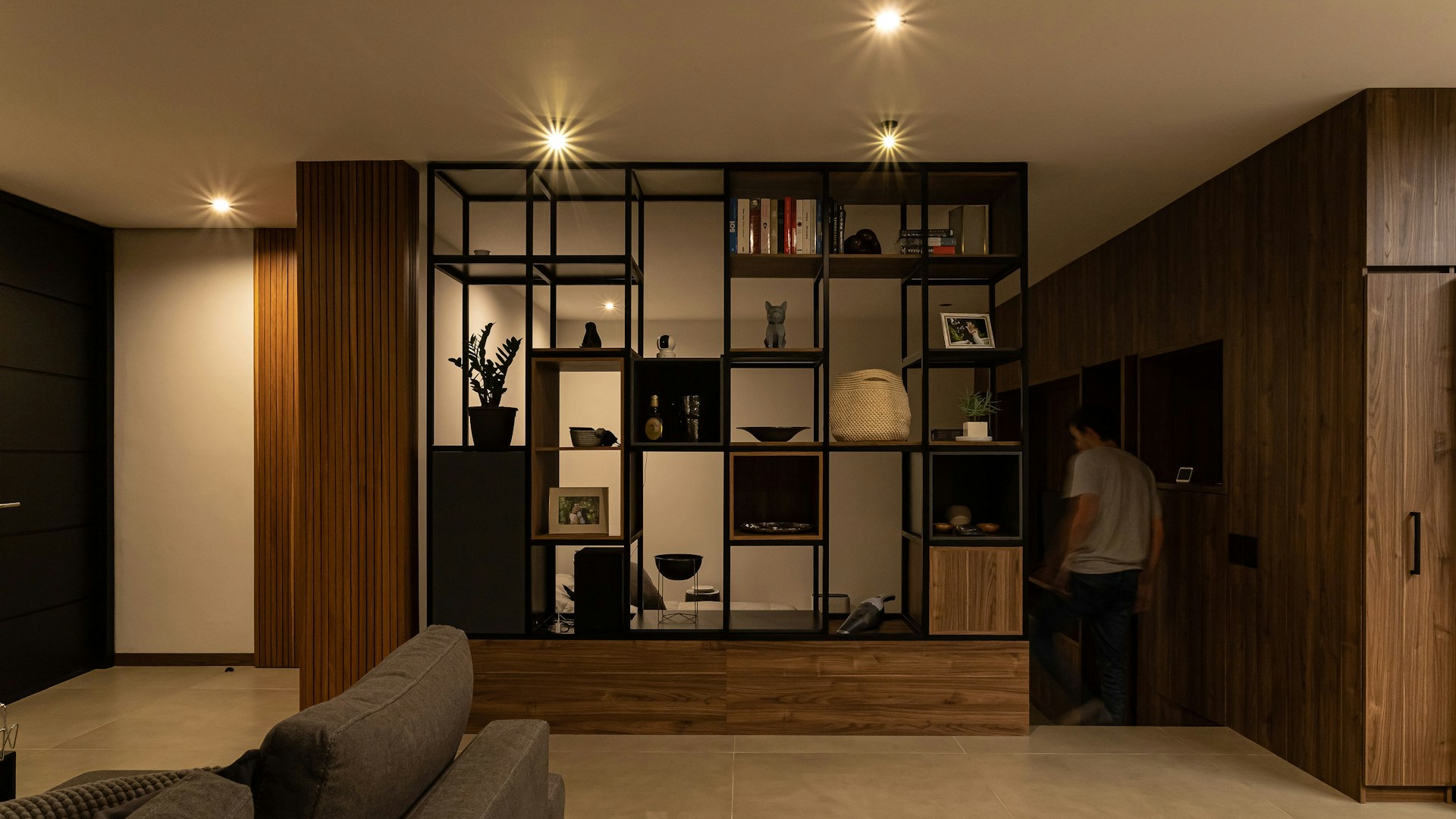
Too many accessories cheapen a space. Editing is key. A few meaningful pieces feel deliberate. Group items with space around them. This breathing room adds importance. Simple décor arranged thoughtfully appears more valuable than crowded shelves filled with small items.
Scale and Proportion Matter
Furniture size affects perception. Oversized furniture overwhelms. Pieces that fit the room feel balanced. Proportion creates harmony. Even budget furniture looks expensive when the scale is right. Measuring carefully before buying prevents common mistakes that disrupt visual flow.
Repetition Creates Sophistication
Repeating shapes, materials, or colors builds cohesion. Matching wood tones or metal finishes ties spaces together. Repetition guides the eye. It reduces chaos. A unique sense of rhythm forms, making the home feel designed rather than assembled over time.
Thoughtful Styling Over Quantity
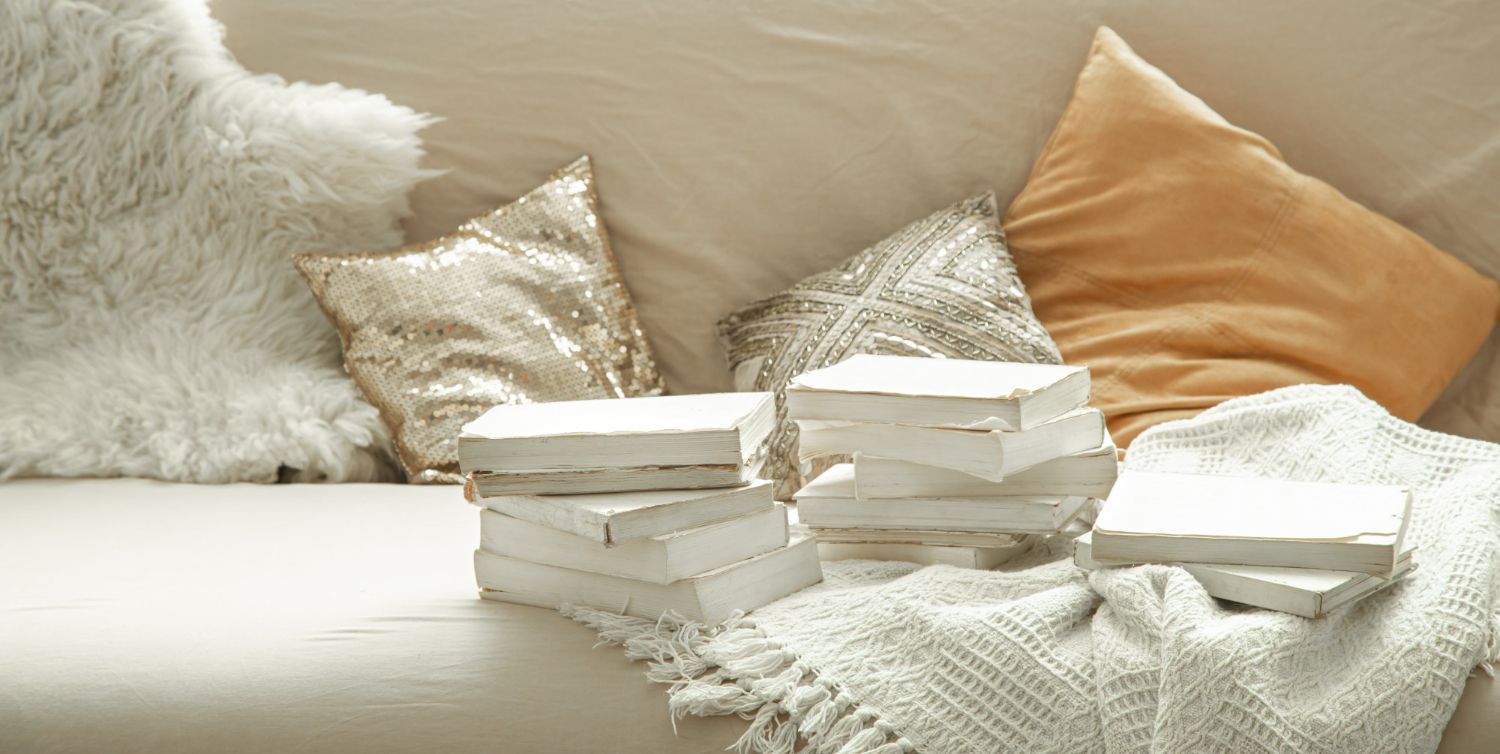
Styling elevates simple items. Books are stacked neatly. Art leaned rather than crowded. Pillows arranged with intention. These small choices change how objects are perceived. Styling focuses attention and creates order. Order often reads as luxury.
Clean Lines Feel Timeless
Simple silhouettes age well. Clean lines feel modern and calm. Avoid overly trendy shapes. Timeless design appears more expensive because it resists dating. Choosing classic forms helps ensure longevity and visual stability without frequent updates.
Budget-friendly interior design works when choices feel intentional. Expensive-looking spaces rely on clarity, restraint, and consistency. Color, lighting, texture, and proportion do more than price tags. When fewer items are chosen carefully, rooms feel curated. With utmost awareness, small changes create a large impact. Thoughtful design supports comfort and confidence. Homes feel polished without excess. When decisions align with purpose, budget …