
Navigating Lease Agreements Abroad: Top Mistakes to Avoid for International Renters

Navigating Lease Agreements Abroad: Top Mistakes to Avoid for International Renters post thumbnail image

Renting a property abroad can be both exciting and daunting for international renters. From navigating lease agreements to understanding local rental laws, several pitfalls can catch renters off guard. In this article, we will explore the common mistakes to avoid when renting a property abroad. By being aware of these potential pitfalls when setting up home abroad, you can approach the process with confidence and make informed decisions.

Not Understanding Lease Terms
lease terms

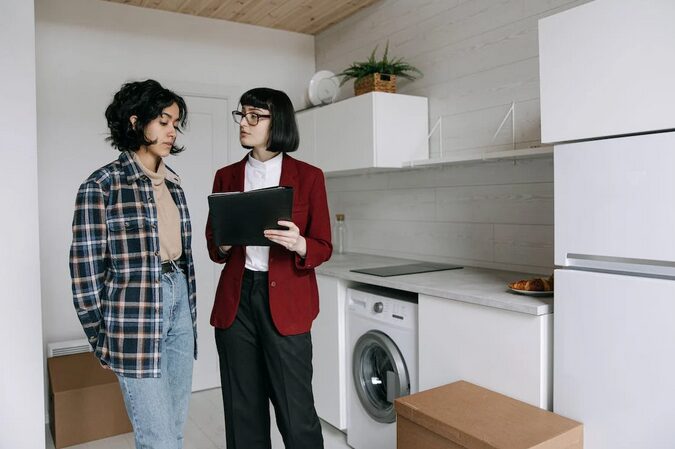
One of the most common mistakes international renters make is not thoroughly understanding the lease terms. Lease agreements can vary significantly from country to country, and it’s important to carefully review all the terms and conditions before signing. Pay close attention to clauses regarding rent increases, maintenance responsibilities, termination, and deposit refunds.

Neglecting Local Rental Laws

Another mistake that international renters often make is neglecting to familiarize themselves with local rental laws. Each country may have its own set of regulations governing the landlord-tenant relationship, including rent control, eviction procedures, and dispute resolution mechanisms. Failing to understand these laws can leave renters vulnerable to unfair treatment or legal complications. Take the time to research and understand the rental laws in the country you are renting in and ensure that your rights as a tenant are protected.

Overlooking Additional Costs

costs

Renting a property abroad involves more than just paying the monthly rent. Many international renters overlook additional costs such as utility bills, property taxes, and maintenance fees. Before signing a lease, inquire about the average monthly costs associated with living in the area, including electricity, water, heating, and internet services. It’s also important to clarify who is responsible for covering these expenses and factor them into your budget. By being aware of these additional costs upfront, you can avoid financial surprises down the line.

Ignoring Property Inspections

International renters often make the mistake of neglecting property inspections before moving in. Inspecting the property thoroughly is crucial to identify any existing damages or maintenance issues. Take note of any pre-existing damage and document it, preferably with photos, so that you are not held responsible for those damages when your lease ends. Have a trusted local contact accompany you during the inspection to ensure that all aspects of the property are checked and any concerns are addressed before signing the lease.

Renting a property abroad can be a smooth and rewarding experience if international renters avoid common mistakes. By thoroughly understanding lease terms, familiarizing themselves with local rental laws, considering all additional costs, and conducting property inspections, international renters can protect their rights and make informed decisions.


Related Post

Water

Water Filter: Reasons Why You Need to Install It NowWater Filter: Reasons Why You Need to Install It Now

Many people think that a water filtration system is too expensive to install and maintain at home. It is more expensive to buy bottled water than to drink it from your home tap. Installing a water filter costs you once, and you may have to replace the filter regularly. You can save money by not buying bottled drinking water. You can visit here to find the best water filter for your home.

Reduce Plastic Bottle Usage

Plastic Bottle If you care about the environment, don’t drink bottled water. It’s amazing how many plastic bottles end up in landfills each year. Because plastics don’t fully degrade, they accumulate in all parts of the world, including rivers and oceans. These plastics also emit harmful chemicals, so the emissions from these bottles are not included in this figure. In addition, there is a lot of pharmaceutical waste in the water supply.

It is a serious problem for everyone: who wants to take different medicines with tap water? It is a bad idea and should be avoided. It is not expensive to install a water filtration system in your home. Depending on the type, installing a filter on your kitchen faucet can cost as little as $20. You may also be interested in more advanced processes like reverse osmosis. You can also consider whole house water filters or shower filters. It all depends on your needs, wants, and budget. Everyone wants to protect their family and themselves from harm. Buying a water filtration system for your home is one way to do that.

Guarantee Clean Water

It’s not enough to go to a store and order a filter. It is essential to determine what type of filter you need and look for a water filtration system to purify your home’s water. Depending on your priorities, you can choose a system that suits your needs and budget. The best home water filtration system is the one that you can see. These filters are inexpensive and very effective. Although they are not very efficient, they remove most of the impurities from the water. There are also filter systems that can be placed under the faucet.

They are a bit more expensive, but the mechanism is still hidden beneath the surface, making them more attractive for installation in the kitchen and other rooms. Another option is a home filtration system with a carbon block or charcoal filter. These filters are more effective at purifying water and are recommended by the EPA and the government for water treatment. You can purchase a whole house water filtration system for a little more money. It is capable of purifying any water source. It is a good option for larger homes where it would be impractical to have individual water filtration systems that only work on certain faucets. There is a wide range on the market, and you can find a system that fits your needs.

wine

Things to Consider When Building a Sustainable Cellar on a BudgetThings to Consider When Building a Sustainable Cellar on a Budget

Welcome wine enthusiasts and cellar aficionados. Are you dreaming of creating your own sustainable cellar but worried about its impact on your wallet? Well, fret no more! Here, we will guide you through some cost-effective tips and tricks to help you build a sustainable cellar without breaking the bank. Today, many people are opting for sustainable cellar construction. To know more about it, read the article from Archzine. So grab a glass of your favorite vintage, and let’s create a budget-friendly haven for your beloved bottles! Cheers to sustainability on a budget.

Location

Choosing the right location for your cellar is crucial for maintaining a sustainable and energy-efficient environment. First and foremost, consider a naturally cool area in your home, such as a basement or an underground space. These areas tend to have more stable temperatures ideal for wine storage. Next, assess the level of insulation in the chosen location. Proper insulation will help regulate temperature fluctuations and reduce energy consumption. Invest in insulating materials like foam board or spray foam insulation if necessary to create a cozy cocoon for your wines.

pipe Ventilation

Ventilation is a crucial aspect when building a sustainable cellar on a budget. Proper airflow helps maintain the ideal conditions for storing wine and prevents mold or musty odours from developing. One cost-effective way to ensure good ventilation is by installing small, adjustable vents in strategic locations within the cellar. These vents allow fresh air to enter while expelling stale air. Additionally, they provide an opportunity for cross-ventilation, which aids in temperature regulation. Furthermore, natural ventilation can be achieved by utilizing existing windows or creating small openings near the top of walls that lead outside. This allows for passive airflow without relying on mechanical systems.

Natural Flooring

When building a sustainable cellar on a budget, one important aspect to consider is the choice of flooring. Natural flooring not only adds an earthy and organic touch to your cellar but also provides numerous benefits. One option for natural flooring is cork. Cork is a renewable resource as it comes from the bark of cork oak trees, which can be harvested without harming the tree. It is durable, resistant to moisture and provides good insulation. Another alternative is bamboo flooring, which grows quickly and replenishes itself rapidly. Bamboo has a similar look to hardwood but at a more affordable price point.

wine Recycled Materials

When building a sustainable cellar on a budget, incorporating recycled materials is not only eco-friendly but can also add character and charm to your space. By giving new life to old materials, you can create a unique and one-of-a-kind cellar that reflects your personal style. One option for using recycled materials is repurposing old wooden pallets. These versatile pieces can be transformed into wine racks or shelves, providing functional storage while adding rustic flair. Look for pallets in good condition and give them a thorough cleaning before incorporating them into your cellar design. Another idea is to use reclaimed bricks or stones as flooring or wall accents. Not only do these materials have an interesting texture and color, but they also help reduce waste by repurposing resources that might otherwise end up in landfills.

Incorporating these strategies into your cellar construction project allows you to build an environmentally friendly space without breaking the bank. Plus, knowing that you’ve created a sustainable haven for your precious wines adds an extra sense of satisfaction. So go ahead and start planning your own budget-friendly, sustainable cellar today! Cheers to preserving our planet while enjoying our favorite wines.

office

Essentials Needed to Set Up Your Home OfficeEssentials Needed to Set Up Your Home Office

Working from home doesn’t necessarily mean that you’re sitting on your couch all day, watching Netflix. This is in many ways more difficult than working in an office environment. According to a post on
https://www.banklesstimes.com/, you need to be self-disciplined and have time management skills to accomplish your goals without having your manager watching. You must thrive with autonomy. Most times you end up working more hours because you have access to your office 24 hours a day. Below we take a look at some things you will need to set up your home office.women laptop

Desk and Chair

internet searchWorking from home will mean you lose the ability to stretch your legs and get up to walk around the office, or just to chat with coworkers. Although you might think you can still walk a few steps a day, the reality is that you won’t be doing so all day. A standing desk that can be raised or lowered is a good investment for your back, hips, and overall health.

Also, don’t forget a mat! Slouching can cause strain to your neck and back. You should choose a comfortable, ergonomic chair that supports your weight, posture, and lumbar support while you sit.

Floating Shelves and Cable Organizers

office homeYou need a place to keep your cute dog photo? You might also need a place to store books. Floating shelves look great and leave plenty of space for storage. You will likely need your phone charger and computer throughout the day. Instead of reaching for your phone under your desk to find one, get a cable organizer. This attaches to your desk to keep your chargers organized.

This is your space. It is your space. Decorate it in a way you love, that makes you happy, and that makes you feel comfortable. For video calls, it is important to keep any flashy items out of your line of sight. You have the freedom to use your home office as you wish. Everyone is different. These essential items will help you succeed.